Income Tax Update: Whenever the term “income tax” comes up, the first thing that comes to mind for the average person is confusion, fear of the rules, and the hassle of paperwork.
However, it seems that the coming times may be different and better for taxpayers. A major change is about to take place in India’s direct tax history.
The Income Tax Department has released the Draft Income Tax Rules, 2026, which will be implemented under the new Income Tax Act, 2025. This new law will come into effect from April 1, 2026, and with it, the nearly six-decade-old Income Tax Rules, 1962, will be replaced.
Why are the 60-year-old tax rules being changed?

The income tax rules formulated in 1962 were based on the needs of that era, when neither digital transactions were common nor were economic activities as fast-paced as they are today. Over time, the country’s economy changed, the methods of earning changed, and the tax system gradually became more complex. Many times, taxpayers felt that the rules were made not for the common man but only for experts. For this reason, the government decided to review the entire tax structure and introduced the Income Tax Act, 2025, the rules of which have now been released as the Draft Income Tax Rules, 2026.
What is the purpose of the Draft Income Tax Rules 2026?
The objective of these new draft rules is not just to change the law, but to make the tax system simpler, clearer, and more modern. The government wants taxpayers to easily understand the rules and reduce the burden of compliance. These rules will determine how the new income tax law will be implemented on the ground, what processes will be followed, and what taxpayers need to keep in mind.
Why is the government seeking public opinion?
This time, the government has taken an important step. Instead of directly implementing the Draft Income Tax Rules, 2026, they have been released for public discussion. Taxpayers, chartered accountants, and other experts can provide their opinions and suggestions on these rules until February 22, 2026. The government believes that those to whom this law will apply should have their voices heard so that the rules can be practical and balanced. This step is considered crucial in increasing transparency and trust in the tax system.
What will change in the tax system from April 1, 2026?
From April 1, 2026, when the Income Tax Act, 2025, comes into effect, the new rules associated with it will also come into force. This could change several tax-related processes. The filing method, the notice process, and the language of the rules may become clearer and easier to understand. The government intends that taxpayers should not have to rely on others for repeated interpretations of the rules and that the system itself becomes more user-friendly.
What does this change mean for taxpayers?
For ordinary taxpayers, this change brings a ray of hope. If the rules are simple and clear, filing taxes will no longer be a stressful task. Also, a digital and modern framework can reduce problems related to tax-related complaints and delays. However, it is natural for confusion and questions to arise in the initial stages of any major change, so it will be the government’s responsibility to ensure that accurate information reaches the public on time.
What should taxpayers do next?
Currently, these rules are in the draft stage, meaning changes are still possible. This is the right time for taxpayers to understand these rules, see how they might affect them, and if they see any practical difficulties, to provide their feedback to the government. This will not only lead to better rules but also strengthen taxpayer participation.
The beginning of a new era for the tax system
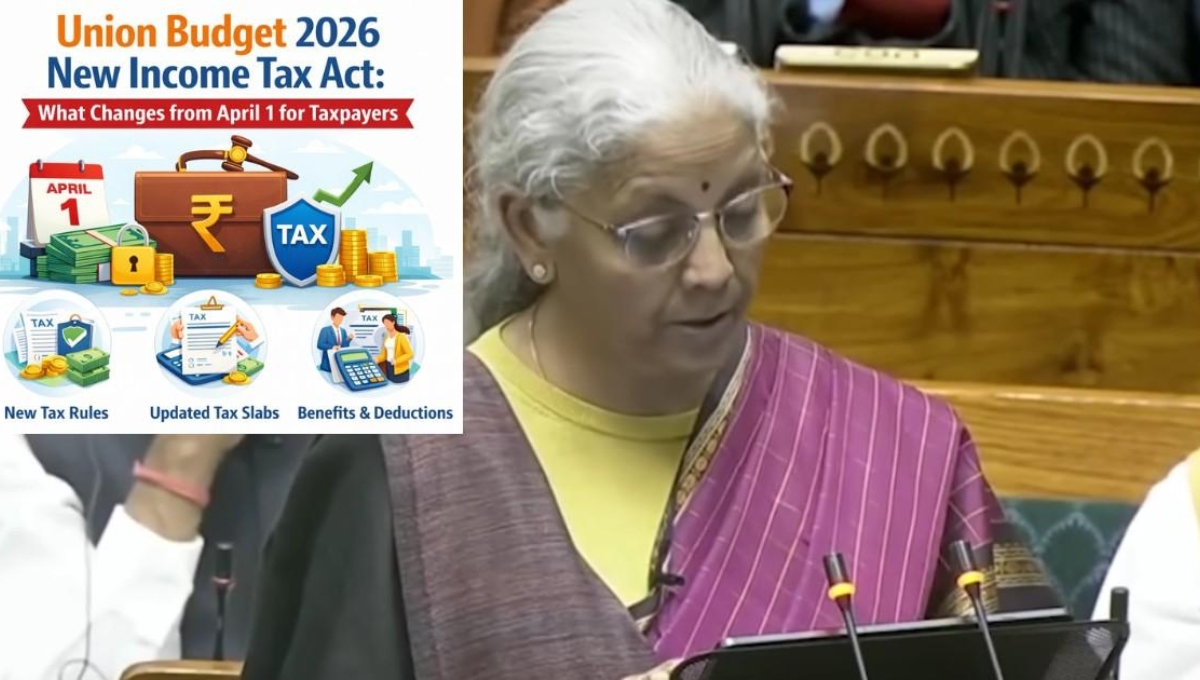
Overall, the Draft Income Tax Rules, 2026, are not just a legal document, but an attempt to usher India’s tax system into a new era. Changing 60-year-old rules is not an easy decision, but if this change is implemented correctly, it can prove beneficial for both taxpayers and the government. Now, all eyes are on how the final rules take shape after considering public feedback.
Disclaimer: This article is based on available information and publicly released draft rules. The final rules and changes related to income tax will be considered effective only after the government’s official notification. Always consult official sources or a tax expert before making any tax-related decisions.
Also Read:
PM Kisan Yojana: Add Your Name Before The Next ₹2000 Installment
Ladli Behna Yojana: Know when the remaining ₹250 will be credited to women’s accounts.